
Live music is as much about place as it is about sound. Certain venues transcend their physical structures, becoming cultural landmarks where history, artistry, and audience energy converge. Around the world, a handful of stages have earned near-mythic status—not just for the artists who’ve performed there, but for the atmosphere, acoustics, and stories embedded in their walls. Here’s a journey through some of the most iconic live music venues on the planet, each offering a distinct experience that continues to shape the global music landscape.
Red Rocks Amphitheatre (Colorado)
Few venues rival the natural grandeur of Red Rocks Amphitheatre. Carved into towering sandstone formations, this open-air venue delivers both breathtaking visuals and near-perfect acoustics. Since opening in 1941, it has hosted legends across every genre, from The Beatles to U2. What sets Red Rocks apart is the immersive experience—it’s not just a concert, it’s a communion between music, landscape, and sky.

The landscape at Red Rocks is stunning -- here's how it looked from above in 1944
Sydney Opera House (Australia)
Across the globe in Australia, the Sydney Opera House stands as one of the most recognizable performance venues in the world. While often associated with classical music and opera, it has welcomed a wide array of contemporary artists. Its sail-like architecture and harbor front setting make every performance feel elevated, blending artistic excellence with architectural brilliance.

One of the most famous structures in the world, people forget the dual status of the Sydney Opera House as a premier live music venue
Budokan (Japan)
In Japan, the Nippon Budokan carries a deep cultural significance. Originally built for martial arts competitions during the 1964 Olympics, it quickly became a premier concert venue. Its legacy was cemented when The Beatles performed there in 1966 and Bob Dylan in 1979. One of the best known concerts that was billed to take place at the venue didn't actually occur there at all. Cheap Trick's breakthrough live album, Cheap Trick At Budokan, was actually recorded in Osaka, despite the claim in the album title and liner notes. Nevertheless, it made the Budokan even more of a household name, particularly in North America.

The Nippon Budokan has unique architecture and a rich sports and music event history
First Avenue (Minneapolis)
A former Greyhound Lines bus station built in 1937, First Avenue in Minneapolis is a venue that was immortalized by Prince in the film Purple Rain. Its unassuming exterior hides a vibrant interior known for its stellar acoustics and energetic crowds. First Avenue has become a symbol of the city's rich musical heritage and has hosted dozens of top acts.

Nearly all of the live performance scenes in Purple Rain were filmed at First Avenue in Minneapolis
Paradiso (Amsterdam)
Europe offers its own share of legendary spaces, including Paradiso in Amsterdam. Housed in a converted church, Paradiso merges gothic architecture with cutting-edge sound. It became a youth entertainment venue in 1968, with its stained glass windows and intimate layout create a uniquely atmospheric setting where audiences feel deeply connected to performers. Over the decades, it has hosted top artists like Adele, David Bowie, Nirvana, and The Rolling Stones, maintaining its reputation as a tastemaker venue.
L'Olympia (Paris)
Another standout is Olympia in Paris, one of the oldest music halls still in operation. Since opening in 1888, it has been a stage for legends such as Édith Piaf and David Bowie, and newer talents such as the late Jeff Buckley. The Olympia’s red velvet interior and intimate seating create a sense of timeless elegance, making it a favorite among artists seeking a historic yet personal performance space.
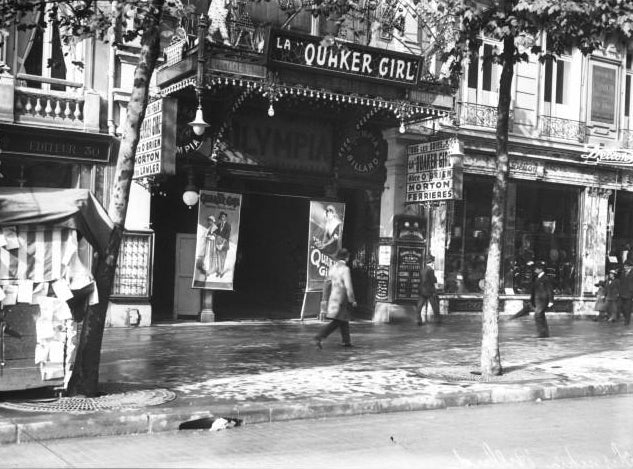
Steeped in history, here is how L'Olympia in Paris looked in 1913
Teatro Colón (Buenos Aires)
Located in Buenos Aires, Argentina, Teatro Colón is revered for its extraordinary acoustics. Often ranked among the best opera houses in the world, it has also hosted contemporary musicians who appreciate its sonic perfection. The venue’s opulent design—featuring marble, gold detailing, and intricate frescoes—adds to its aura of prestige.
The Troubadour (West Hollywood)
Back in the United States, The Troubadour has played a crucial role in launching careers. This intimate club became synonymous with the singer-songwriter movement of the late 1960s and ’70s. Artists like Elton John, James Taylor, Buffalo Springfield and more built early momentum on its stage. Even today, it remains a proving ground for emerging talent.
Originally opened in 1957, the Troubadour soon after moved to its current location in West Hollywood where it became an iconic music venue
Blue Note Jazz Club (New York City + other cities)
Not all iconic venues are large. Blue Note Jazz Club exemplifies the power of intimacy. With the first Blue Note opening in New York's Greenwich Village in 1981, today there are multiple locations, all known for premier jazz. Hosting legends like Miles Davis and Herbie Hancock, the original spot spawned the five locations around the world it has today. The close quarters allow audiences to experience music with unmatched immediacy, making every performance feel personal and spontaneous.
Hollywood Bowl (Los Angeles)
Meanwhile, Hollywood Bowl offers a different kind of magic. Nestled in the Hollywood Hills in California, this open-air amphitheater combines natural beauty with world-class programming. From orchestras to rock bands, the venue’s versatility and iconic shell-shaped stage have made it a staple of the Los Angeles music scene.

The Hollywood Bowl on a sunny SoCal afternoon is hard to beat
Montreux Casino (Switzerland)
Finally, Montreux Casino—home to the Montreux Jazz Festival—holds a special place in music history. Beyond hosting countless legendary performances, it inspired Deep Purple’s “Smoke on the Water,” after a fire at the venue during a Frank Zappa concert. Rebuilt and revitalized, it continues to draw top-tier talent every year.
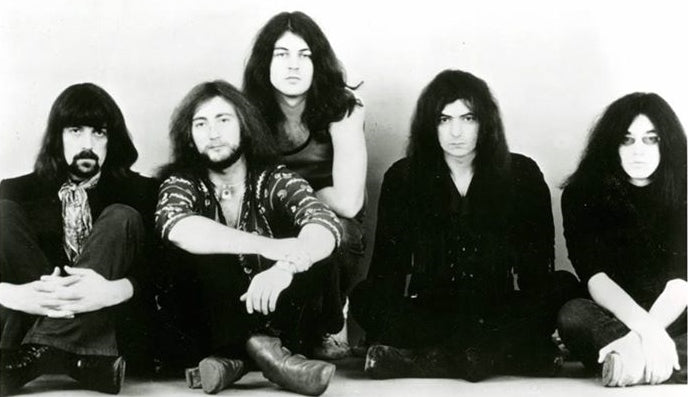
Deep Purple's infamous experience at Montreux in 1971 inspired their classic hit "Smoke On The Water"
What unites these venues is not just their fame, but their ability to create moments that resonate far beyond a single night. They serve as cultural touchstones where artists push boundaries and audiences become part of something larger than themselves. Whether carved into rock or housed in historic buildings, these stages remind us that live music is a shared experience—one shaped as much by place as by performance.
In an era of digital streaming and virtual concerts, these iconic venues retain their significance by offering something irreplaceable: Presence. The sound of a crowd, the acoustics of a room, and the intangible energy of a live performance cannot be replicated. That’s why these places continue to matter—they are not just venues, but living, breathing chapters in the story of music.
Interested in genuine RIAA Gold and Platinum and other record awards? Check out our selection here. We typically have several hundred in stock.
Want more content like this? If you're not a subscriber already, sign up for our free MusicGoldmine newsletter which comes out once a week. Go here to sign up and also get a code for 15% off your first purchase and our 100+ page MusicGoldmine Record Award Guide.
Be the envy of all your friends! Get MusicGoldmine.com Music History in your Facebook feed each day. Just follow us on Facebook here.
All photos: public domain, except Prince Purple Rain RIAA Award photo ©2025 MusicGoldmine.com