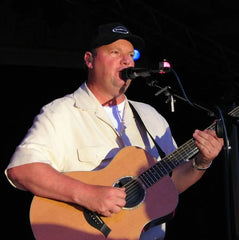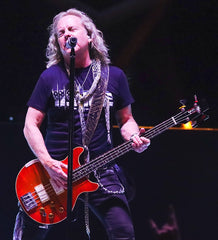

The history of Elektra Records is one of the most fascinating evolutions in the music industry, tracing a path from a tiny folk label founded in a college dorm room to a major force within the global recording business. Over more than seven decades, Elektra has helped shape popular music by consistently identifying and nurturing groundbreaking artists across multiple genres.
Origins in Folk and Idealism (1950–mid-1960s)
Elektra Records was founded in 1950 by Jac Holzman and Paul Rickolt, each investing just $300 to start the company. The label began as Elektra-Stratford Record Corporation, operating out of Holzman’s dorm room at St. John’s College. The name “Elektra” was inspired by Greek mythology, with Holzman deliberately altering the spelling to include a “k,” which he felt gave the name more visual impact. Holzman would joke that the "k" left out of his first name ended up in the label's name.
In its earliest years, Elektra focused primarily on folk and traditional music. Its first release, New Songs (1951), was a collection of art songs that sold poorly, but the label soon found its footing by tapping into the growing American folk revival. Artists such as Judy Collins, Phil Ochs, and Tom Paxton helped establish Elektra as a leading voice in politically conscious and socially relevant music.
A key innovation during this period was the creation of Nonesuch Records in 1964, a budget classical label that became highly successful. Its profitability allowed Elektra to take creative risks and expand into new genres, setting the stage for its next major transformation.
Embracing Rock and Cultural Revolution (mid-1960s–1970)
By the mid-1960s, Elektra pivoted toward rock and pop music, becoming one of the first labels to embrace the emerging psychedelic and countercultural scenes. The label signed influential acts such as The Doors, Love, The Stooges, and MC5, all of whom would leave a lasting impact on rock history.

The Doors were one of Elektra's most significant signings in the 60s
Elektra’s willingness to support experimental and boundary-pushing artists distinguished it from more conservative labels. The success of The Doors in particular brought both commercial success and cultural credibility, helping to cement Elektra’s reputation as a tastemaker in the rapidly changing music landscape of the late 1960s.
Corporate Expansion and Elektra/Asylum Era (1970s–1980s)
In 1970, Elektra was acquired by Kinney National Services, which later became Warner Music Group. This acquisition placed Elektra within a powerful corporate structure that also included Atlantic Records, forming the foundation of the Warner-Elektra-Atlantic (WEA) system.
Shortly thereafter, Elektra merged with Asylum Records—founded by David Geffen—to form Elektra/Asylum Records. This new entity expanded its roster and commercial reach, becoming one of the most influential labels of the 1970s.

Into the 80s, Elektra releases included Elektra/Asylum branding
During this period, Elektra continued to evolve stylistically, embracing everything from singer-songwriters to hard rock to New Wave artists such as The Cars.

Elektra's iconic "butterfly" logo from the 80s that graced so many record collections
Leadership changes also shaped its direction; after Geffen’s departure, executives like Joe Smith and later Bob Krasnow guided the label to new heights. By the 1980s, Elektra had become a major commercial powerhouse, signing artists across rock, pop, and emerging alternative genres.
Peak Success and Genre Diversity (1980s–early 1990s)
Under CEO Bob Krasnow, Elektra reached its commercial peak. The label’s roster became remarkably diverse, including acts such as Metallica, The Cure, 10,000 Maniacs, and Tracy Chapman.
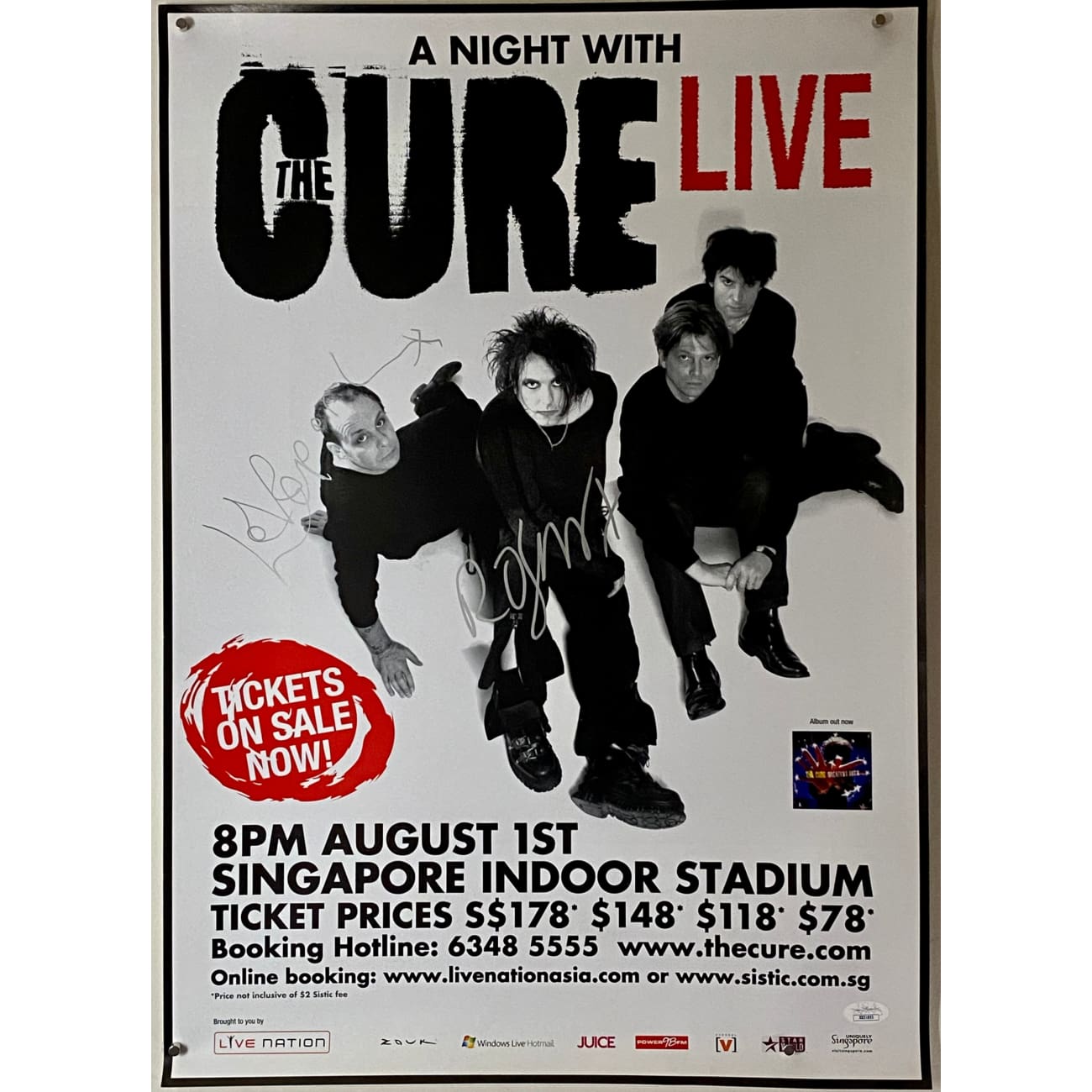
Signing The Cure and other alternative artists opened new markets for the the label
Elektra also played a key role in the development of alternative music. Its A&R department was instrumental in identifying and promoting artists who would later define the genre. The label’s partnership with the UK’s 4AD Records further expanded its influence, bringing critically acclaimed acts like Pixies to American audiences.
This era demonstrated Elektra’s adaptability, as it successfully navigated changing musical tastes while maintaining a reputation for artistic credibility.
Decline, Restructuring, and Dormancy (mid-1990s–2000s)
Despite its earlier success, Elektra faced challenges in the mid-1990s. Internal conflicts within Warner Music Group and shifting industry dynamics weakened the label’s position. Key executives departed, and the label struggled to maintain its identity amid corporate restructuring.
In 2004, Warner Music Group merged Elektra with Atlantic Records to form the Atlantic Records Group. As part of this consolidation, Elektra was effectively reduced to a subsidiary and entered a period of dormancy.
Although some legacy artists continued releasing music under the Elektra name, the label itself ceased to function as a fully independent entity for several years.
Revival and Modern Era (2009–present)
Elektra was revived in 2009 as an imprint within Atlantic Records, signaling a renewed interest in the brand’s legacy and potential. Over time, the label regained momentum, and in 2018 it was reestablished as Elektra Music Group, operating as a standalone unit within Warner Music.
This restructuring brought together several subsidiary labels, including Fueled by Ramen and Roadrunner Records, under the Elektra umbrella. The move effectively restored Elektra’s status as a frontline label within the Warner system.
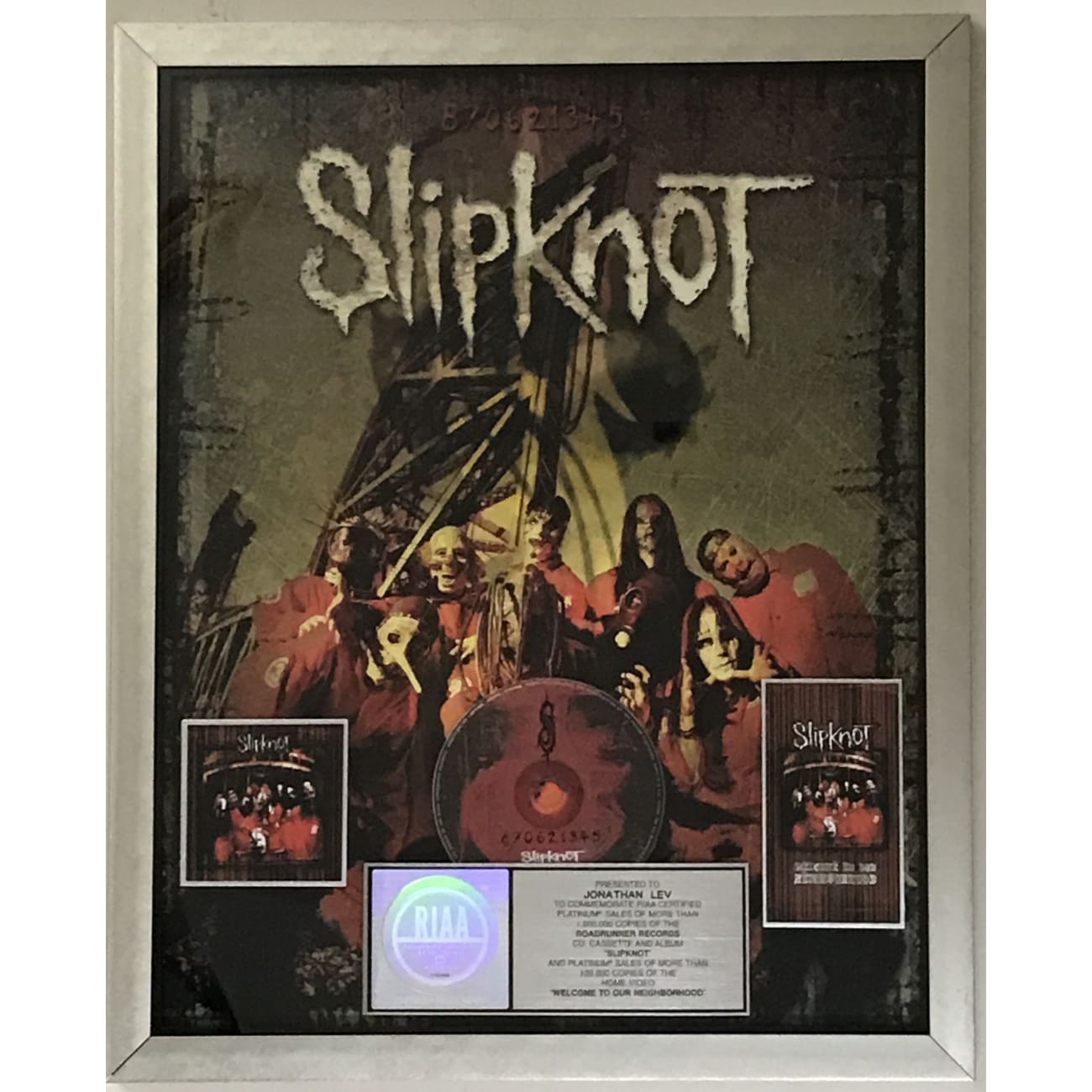
Roadrunner artist Slipknot was the first on that label to go Platinum in 2000
In 2022, Elektra Music Group merged with 300 Entertainment to form a new entity while maintaining separate brand identities. Further corporate changes followed in 2024, reflecting the ongoing consolidation within the music industry.
Legacy and Influence
Elektra Records’ legacy is defined by its ability to anticipate and shape musical trends. From its early commitment to folk and protest music to its embrace of psychedelic rock, punk, heavy metal, and alternative genres, the label has consistently championed innovation.
Its roster has included some of the most influential artists in modern music history, and its willingness to take risks has often placed it at the forefront of cultural change. Whether introducing audiences to The Doors in the 1960s or helping define alternative music decades later, Elektra has maintained a unique balance between artistic integrity and commercial success.
Today, as part of Warner Music Group, Elektra continues to operate in a rapidly evolving industry. While its structure has changed over time, its core identity—as a label willing to take chances on new sounds and ideas—remains intact.
In the broader history of recorded music, Elektra Records stands as a testament to how a small, independent venture can grow into a lasting cultural institution, influencing generations of artists and listeners alike.
Interested in genuine RIAA Gold and Platinum and other record awards? Check out our selection here. We typically have several hundred in stock.
Want more content like this? If you're not a subscriber already, sign up for our free MusicGoldmine newsletter which comes out once a week. Go here to sign up.
Be the envy of all your friends! Get MusicGoldmine.com Music History in your Facebook feed each day. Just follow us on Facebook here.
All photos © MusicGoldmine.com 2018-2026