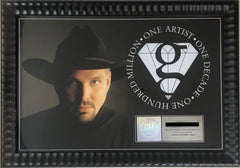
This is the first in our new series of profiles of iconic albums, exploring the origins and recording of these famous releases, along with anecdotes about the artists and stories behind the tracks. Look for more iconic album articles coming up soon.

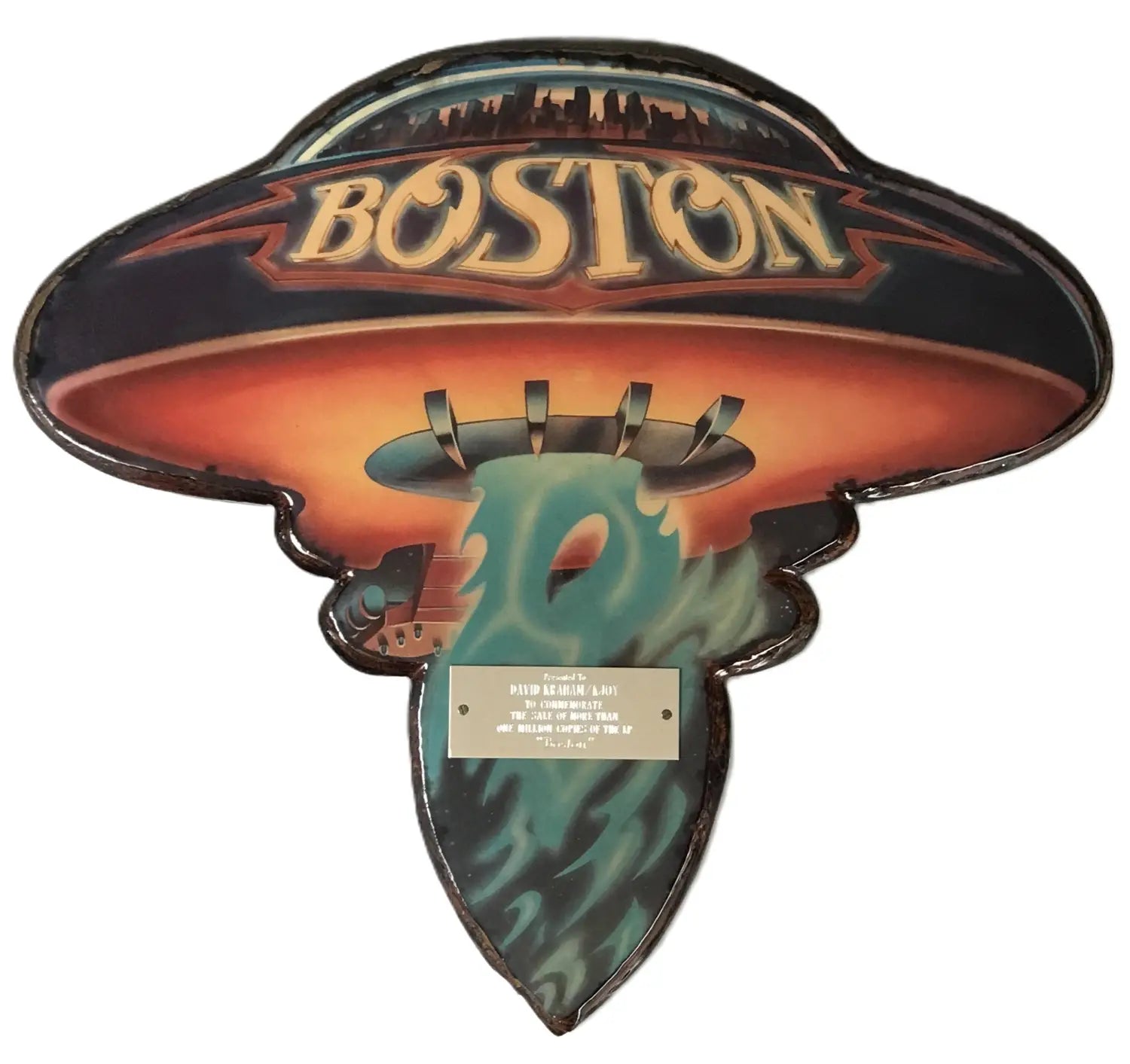
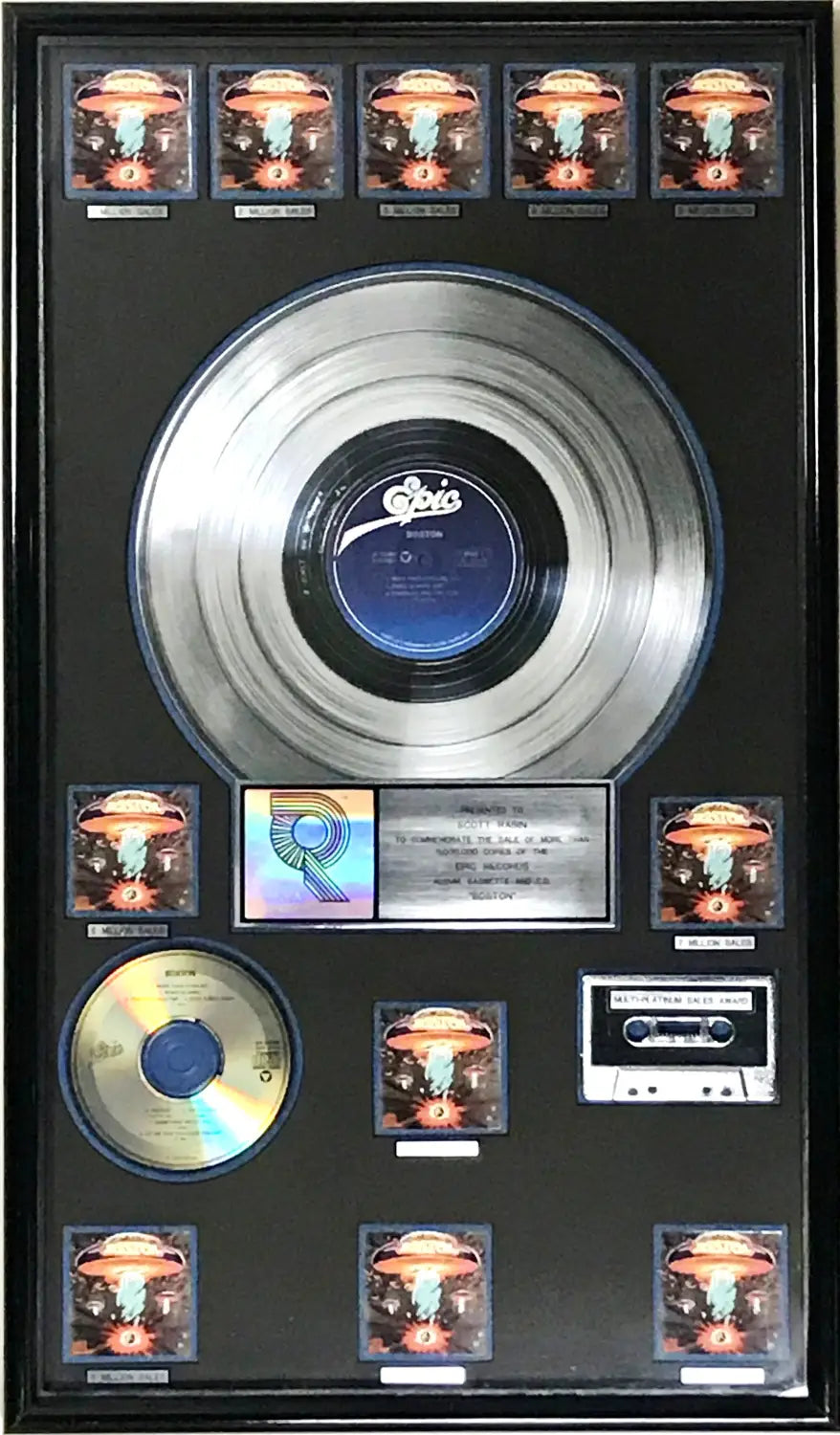
The debut album by Boston is widely regarded as one of the greatest first albums in rock history. Released on August 25, 1976, Boston wasn't just a commercial success—it changed how rock records could sound. Selling more than 17 million copies in the United States and over 20 million in other countries, the album introduced a polished, larger-than-life sonic landscape that influenced countless rock bands throughout the late 1970s and 1980s. Songs like "More Than a Feeling," "Peace of Mind," "Foreplay/Long Time," and "Rock & Roll Band" remain FM radio staples nearly 50 years later.

What made the album so revolutionary wasn't just the songwriting. It was the remarkable engineering skills of guitarist, songwriter, and producer Tom Scholz, whose technical innovations allowed him to create a sound unlike anything listeners had heard before.
A One-Man Studio Wizard
Before Boston became a household name, Tom Scholz wasn't a full-time musician. He held a master's degree in mechanical engineering from MIT and worked for Polaroid designing products by day while recording music at night in the basement of his apartment.
Unlike many major-label releases of the era that were recorded in expensive commercial studios, much of Boston was created in Scholz's homemade recording studio. Working with vocalist Brad Delp, also an amazing talent, Scholz painstakingly layered instruments, experimented with equipment modifications, and refined every note until it matched the sound he envisioned.
Epic Records initially believed the demos would merely be placeholders before recording would begin in a professional studio. In the end however, many of those "demos" became the final album masters.
The Legendary Guitar Sound
The defining feature of Boston is its enormous guitar tone.
Scholz achieved this by layering multiple guitar tracks, often recording several identical performances to create a massive wall of sound. Instead of relying on distortion alone, he carefully balanced overdriven amplifiers with clean tones, allowing the guitars to remain clear even during dense arrangements.
His primary guitar was a modified Gibson Les Paul fitted with high-output pickups. He frequently paired it with a Fender Stratocaster, blending the thick sustain of the Les Paul with the brighter attack of the Strat.
Rather than using extreme gain, Scholz preferred moderate overdrive combined with meticulous multitracking. This preserved note definition while making the guitars sound huge.
His signature harmonized guitar lines became another hallmark. Songs like "More Than a Feeling" feature multiple lead guitars playing carefully arranged harmonies, creating an almost orchestral effect.
Precision Through Layering
One reason Boston's guitars sound so full is the incredible precision of Scholz's performances.
He often doubled or quadrupled rhythm guitar parts, playing each take with remarkable consistency. Small timing differences between performances created natural width without sacrificing clarity.
Unlike later digital recording techniques, every layer had to be performed manually onto analog tape. This required extraordinary musicianship because even slight timing errors became noticeable when multiple tracks were combined.
The result was a sound that felt simultaneously powerful and polished.
And while Scholz laid down nearly all of the guitar tracks, fellow Boston guitarist Barry Goudreau contributed as well, most notably playing the phenomenal soaring guitar solo on the "Long Time" portion of "Foreplay/Long Time".
Modified Equipment Made the Difference
Tom Scholz wasn't satisfied with commercially available gear.
Using his engineering background, he modified amplifiers, built custom electronic circuits, and created devices specifically designed to produce the tones he wanted.
Many of these inventions eventually evolved into products sold by his company, Scholz Research & Development.
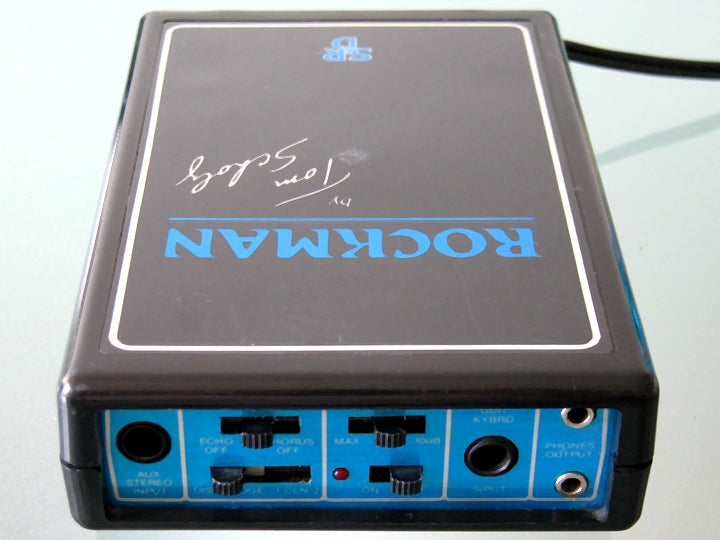
Perhaps the most famous was the Rockman, introduced via mass marketing several years after Boston's debut. Although it wasn't used on the first album, the Rockman captured many of the tonal characteristics Scholz had developed during the Boston recordings and became one of the defining guitar processors of the 1980s.
Even during the debut album sessions, Scholz was already experimenting with custom-built sustain circuits, equalization networks, compression systems, and signal-routing equipment.
Recording Techniques Ahead of Their Time
The recording process behind Boston was unusually meticulous.
Instead of recording an entire band playing together, Scholz frequently built songs one instrument at a time.
This approach allowed him complete control over guitar tone, stereo placement, equalization, compression, layering, and the overall balance.
He also took advantage of analog tape bouncing. Since tape machines offer a limited number of tracks, several recorded tracks would be mixed together onto one track to free additional recording space.
Each bounce required careful planning because once parts were combined, they couldn't be separated later.
Despite these limitations, Scholz managed to create arrangements that sounded far larger than the available technology should have allowed.
The Modified Hammond Organ
One of the album's most unforgettable moments appears during the opening of "Foreplay."
Listeners often assume they're hearing a synthesizer, but much of the sound actually came from a heavily modified Hammond B-3 organ.
Scholz altered the instrument's electronics to expand its tonal capabilities. He customized switching circuits and processing equipment that allowed him to create brighter, more aggressive sounds than a traditional Hammond typically produced.
He also processed the organ through effects and amplification systems usually associated with guitars, helping it blend seamlessly into Boston's rock arrangements.
The swirling introduction to "Foreplay" combines organ, layered overdubs, and signal processing to create one of classic rock's most recognizable keyboard passages.
Here's an entertaining video of Scholz in his basement explaining a little more about his Hammond organ--which is of course an electro-mechanical device, not an electronic device--plus a little impromptu "Foreplay" performance to boot (you can play this video right here by pressing the play arrow):
There is some debate about how Scholz created the very non-Hammond chord bends heard on Boston songs. Two main methods have been theorized as how this was done since Scholz has never really confirmed exactly how he generated that effect:
Manipulating Tape Machine Speed: Scholz may have manually altered the tape speed of his recording machine while playing the organ part. By briefly slowing the tape machine down and then speeding it back up, the pitch of the recorded audio could drop and rise.
Voltage Starvation (The "Variac" Method): A second, hardware-based method often used by keyboardists for electromechanical organs like the B-3 involves reducing the AC voltage powering the organ's tone wheel motor. Because the pitch of the organ is directly locked to the motor's mechanical speed, lowering the voltage starves the motor, causing it to spin slower. Since Scholz famously custom-built and modified his own equipment; some tech historians suggest he rigged a custom potentiometer (like a Variac) into the organ's power supply to achieve this sag in real-time. Since he has been able to recreate this unique sound live on stage in concerts as well, this is more likely the method used.
Regardless, at a time when progressive rock bands often relied on expensive Moog synthesizers, Scholz demonstrated that engineering creativity could produce equally dramatic textures using existing analog and traditional instruments.
Brad Delp's Incredible Vocals
No conversation about this album would be complete without acknowledging the late Brad Delp's incredible, soaring vocals. While Scholz built the sonic landscape, vocalist Delp supplied one of rock's greatest singing performances.
Delp possessed an unusually wide vocal range and could move effortlessly between soft verses and soaring choruses. His vocal range spanned roughly two and a half full octaves. He was renowned for his seamless blend of full voice and falsetto, allowing him to hit stratospheric high notes while maintaining warmth, presence, and power.
His harmonies were equally important. No doubt Scholz played a role in planning the vocal harmonies as well, but Delp's delivery is masterful. Delp was a huge Beatles fan, which likely contributed to his ability to execute the harmonies perfectly. His love of the the Fab 4 was evident given later in life he formed Beatlejuice, a Beatles tribute band.
Songs like "More Than a Feeling" feature numerous vocal overdubs stacked together, producing choir-like textures that complemented Scholz's layered guitars.
The combination created an almost symphonic sound despite originating from only two principal musicians.
A Word About Bass Lines
Scholz's bass lines throughout the record are worth noting, melodic and occupying their own space on each track, they add much to the songs they live in.
To an extent they are remniscent of Paul McCartney's bass lines on Beatles tracks. The parallel comes from the fact that both Scholz and McCartney are primarily guitar players at their core.
Here's an example. This is the isolated bass line made prominent in a special mix of "Hitch A Ride". Note the complexity but also how it contributes a real melodic addition to the track:
Classical Influences in Rock
Scholz's compositions often reflected his appreciation for classical music.
Many songs contain dynamic shifts, extended introductions, instrumental movements, and recurring musical themes more commonly associated with orchestral works than traditional rock.
"Foreplay/Long Time" is perhaps the best example, opening with an elaborate instrumental section before transitioning into a melodic rock anthem.
This blend of classical structure and hard rock accessibility helped Boston stand apart from many arena rock bands.
Analog Perfectionism
Creating Boston required extraordinary patience. Scholz became known for recording countless takes until every note met his exact standards.
Because the album was recorded entirely on analog equipment, editing options were extremely limited compared to today's digital workstations. Mistakes often meant recording entire sections again.
The perfectionism paid off.
Nearly every instrument occupies its own sonic space, allowing listeners to hear remarkable detail even during the album's densest passages.
Finally, any fan of analog would point to the natural warmth that recording to tape brought to the album.
A Lasting Legacy
Boston's debut remains one of the best-selling debut albums ever released and continues to serve as a benchmark for rock production. Its influence can be heard in artists ranging from Def Leppard and Journey to numerous melodic rock and AOR bands that followed. Many bands, including notably Def Leppard on their multi-million selling album Hysteria, exclusively used Rockman units to create their guitar sound.
Perhaps its greatest achievement is proving that technical innovation and emotional songwriting can coexist. Tom Scholz's engineering brilliance never overshadowed the memorable melodies, uplifting choruses, or Brad Delp's unforgettable vocals. Instead, every technical decision served the songs.
Nearly five decades after its release, Boston still sounds remarkably fresh. The album's rich analog warmth, layered guitars, inventive organ textures, and pristine production continue to impress musicians, engineers, and fans alike. It remains a masterclass in what can happen when exceptional songwriting meets uncompromising craftsmanship, earning its place as one of the most iconic and influential rock albums ever recorded.
Interested in genuine RIAA Gold and Platinum record awards or signed memorabilia like the items you see in this article? Check out our selection here.
Want more content like this? If you're not a subscriber already, sign up for our free MusicGoldmine newsletter which comes out once a week. Go here to sign up.
Be the envy of all your friends! Get MusicGoldmine.com Music History in your Facebook feed each day. Just follow us on Facebook here.
All photos © MusicGoldmine.com 2018-2026